

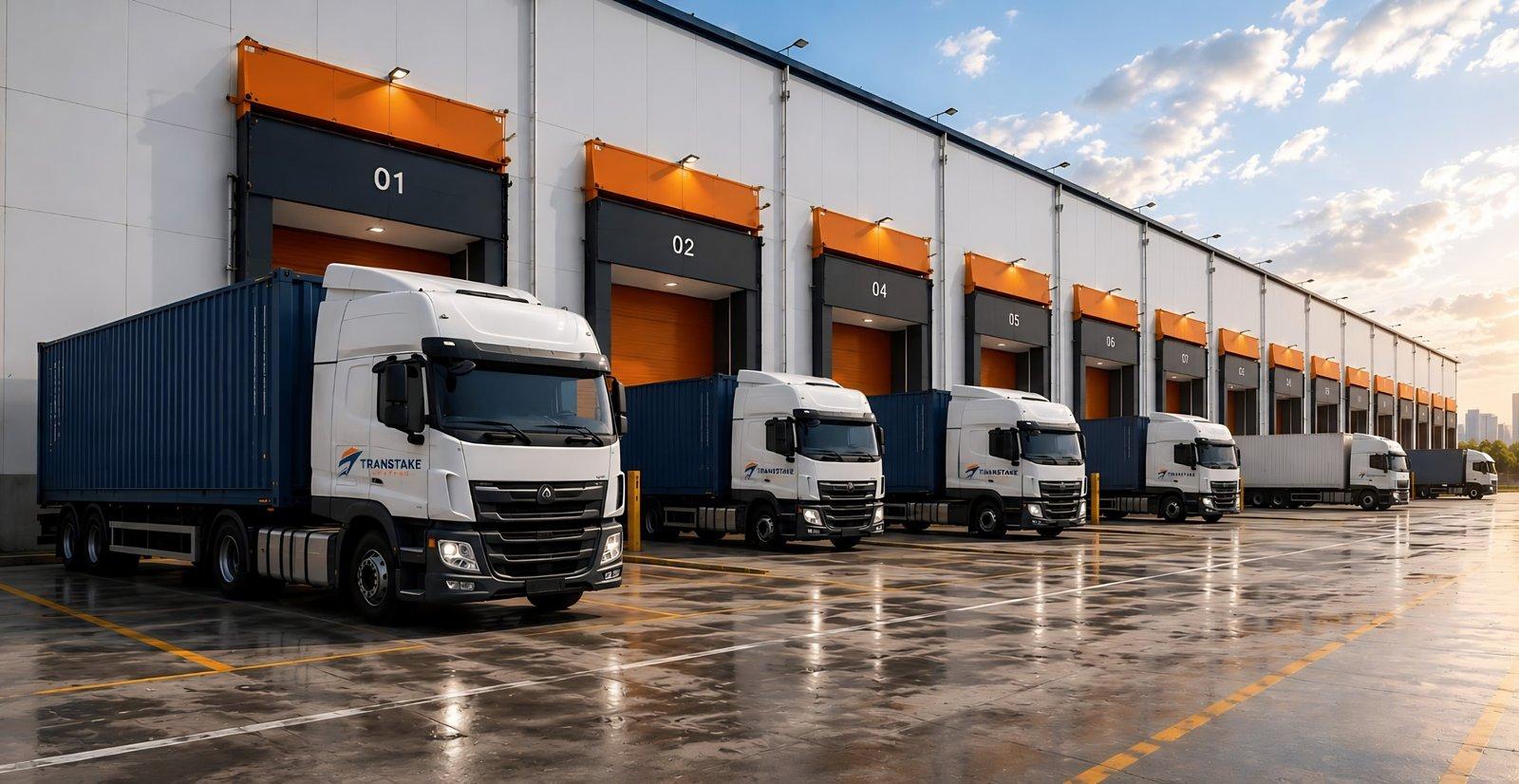
Your customer does not care which transporter you used. They care that the order arrived late.
In B2B, that delay rarely stays small. A missed delivery can halt a production line, break a distributor’s trust or trigger a penalty clause you signed months ago. Your logistics partner’s mistakes quietly become your reputation.
That is why choosing a B2B logistics partner in India deserves more than a quick rate comparison. The cheapest quote often hides gaps in coverage, tracking or accountability that only show up once goods are on the road.
Here are seven things worth checking before you sign, plus the red flags and questions that help you separate a dependable partner from a risky one.
7 Things to Check Before You Sign
1. Network Coverage Where You Actually Ship
A long list of cities on a brochure means little if your key routes are handled by a third party with no accountability.
Ask where the partner has its own offices and branches, and where it relies on associates. Map that against your top origins and destinations. A partner with a branch network across major commercial hubs can usually respond faster when something needs fixing on the ground.
Also check remote and industrial pin codes. Delivering to a metro is easy. Delivering to an industrial estate on the edge of a tier-3 town is where networks get tested.
2. The Right Mix of Transport Modes
Your shipments will not all look the same. Some need speed. Some need to move cheaply in bulk.
A partner that can offer road, rail and air options lets you match each consignment to the right mode instead of forcing everything onto one. It also gives you a fallback when one route is disrupted by weather, strikes or congestion.
Also Read: What Is the Difference Between a Courier Service and a Freight Forwarder?
3. A Proven Track Record in Your Industry
Years in business matter, but relevant experience matters more.
Moving FMCG cartons, pharma consignments and heavy machinery parts all call for different handling. Ask which industries the partner already serves, and request references from businesses similar to yours. A partner that understands your product is less likely to learn on your shipments.
4. Real-Time Tracking and Clear Updates
You should not have to call three people to find out where a consignment is.
Check whether the partner offers online shipment tracking, how often status is updated and whether you get proof of delivery. For regular shipping, ask if they can share consolidated reports so your team can spot delays before customers do.
5. Compliance and Documentation Handling
In India, moving goods involves paperwork, and mistakes can hold up a truck at a checkpoint.
Ask how the partner handles invoices, consignment notes and GST e-way bills. Under the GST rules, transporters have a defined role in updating vehicle and transport details on the e-way bill, as explained in CBIC’s e-way bill guide. A partner that is careless here can turn a routine delivery into a detention.
For exports and imports, confirm who prepares the shipping documents and coordinates customs.
6. Transparent Pricing With No Hidden Charges
The base rate is only part of the bill.
Ask for a written breakdown that covers fuel surcharges, handling charges, door delivery, ODA (out-of-delivery-area) fees, detention, reattempts and insurance. Then compare the total landed cost across partners, not just the per-kg rate. A slightly higher quote with no surprises often works out cheaper over a year.
7. Responsive Support When Things Go Wrong
Every logistics partner looks good when shipments arrive on time. Judge them by how they handle the ones that don’t.
Check whether you get a dedicated contact or only a general helpline, how quickly complaints are acknowledged and how claims for damage or loss are settled. A clear customer support process, with names and timelines, is worth more than a promise of zero problems.
Red Flags to Watch For
Some warning signs show up before you ever hand over a shipment.
A rate far below everyone else’s. Unusually low pricing usually gets recovered somewhere, through extra charges, slower service or shortcuts in handling.
Vague answers about who moves the goods. If the partner cannot say which legs it handles and which it subcontracts, accountability will be just as vague when something goes missing.
No written terms on liability. If damage, loss and claim timelines are not on paper, assume you will be negotiating them after the fact.
Tracking that only works by phone. A partner without a self-serve tracking option will struggle to scale with your volumes.
Reluctance to share references. A partner confident in its service is usually happy to connect you with existing clients.
Questions to Ask Before You Sign the Contract
Take these into your final meeting. The answers will tell you more than any presentation.
Which of my routes do you run yourselves, and which go through partners?
What is your typical transit time on my top three lanes, and how often do you miss it?
What does the full cost look like for a typical shipment, including every surcharge?
How do you handle e-way bills and other documentation, and who is responsible if there is an error?
Who is my point of contact, and what is your response time for complaints?
How are damage and loss claims raised, assessed and settled, and how long does that take?
Can we start with a trial period or a limited set of routes before a full commitment?
A short pilot is one of the most reliable tests you can run. Real shipments reveal more than any sales pitch.
Conclusion
A logistics partner is not just a vendor. It is an extension of your promise to your customers.
Check the network, the transport options, the track record, tracking, compliance, pricing and support before you sign. Ask direct questions and test with real shipments where you can.
The partner that answers clearly and puts its terms in writing is usually the one that performs when it counts.
Looking for a logistics partner you can rely on? Bom Gim has supported businesses across India since 1985, with road, rail and air services under one roof. Schedule a pickup or contact our team for a free quote today.
Frequently Asked Questions
Q: What does a B2B logistics partner do?
A: It moves goods between businesses, such as from a manufacturer to a distributor or a warehouse to a retailer. Depending on the partner, it may also handle warehousing, documentation and supply chain planning.
Q: Should I choose a logistics partner on price alone?
A: No. Compare the total landed cost alongside reliability, coverage and support. Delays, damage and hidden charges can easily erase the savings from a lower base rate.
Q: Is it better to use one logistics partner or several?
A: One main partner simplifies coordination and reporting. Many businesses still keep a backup for critical routes or peak seasons. The right balance depends on your volumes and how much risk you can tolerate.
Q: Who is responsible for the e-way bill when goods are shipped?
A: The registered supplier or recipient is generally responsible for generating it, while the transporter updates the vehicle details for road movement. Confirm the exact responsibilities with your logistics partner and your tax adviser.
Q: What should a logistics contract include?
A: Scope of services, routes, transit times, pricing and surcharges, liability limits, claim procedures, documentation responsibilities and exit terms. Have it reviewed before signing.